Which Helium Tank Should I Buy? (7L vs 13L vs 22L)
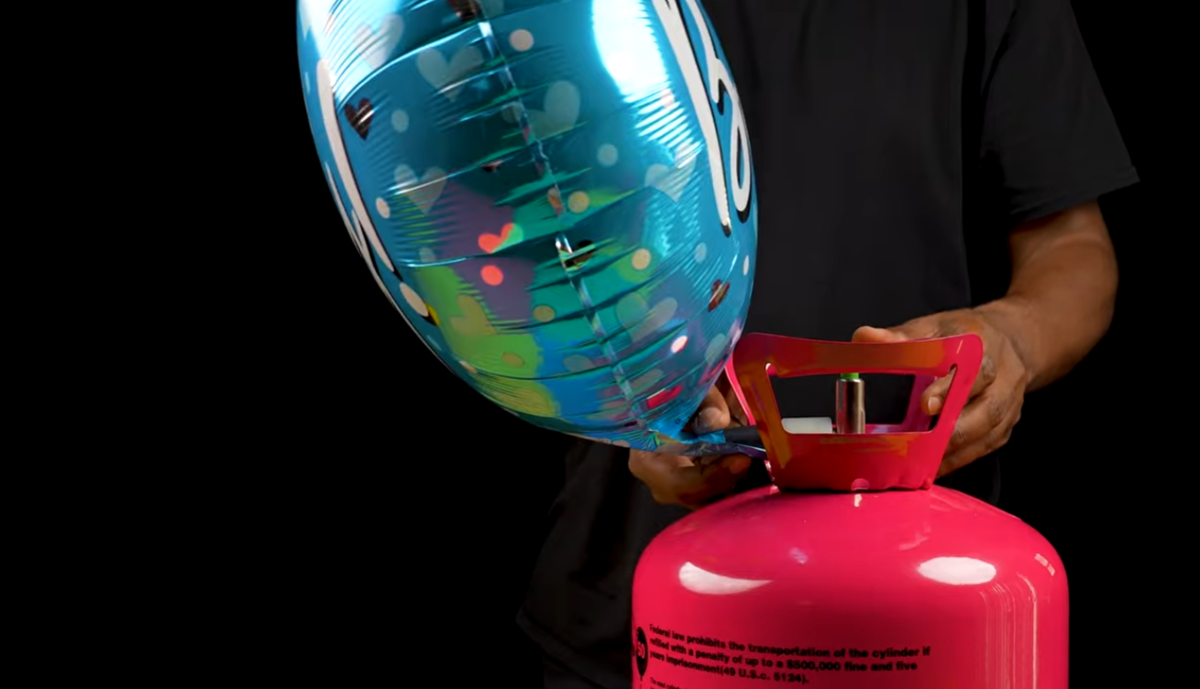
The right helium tank is not simply the biggest one you can buy. A better choice is the tank that matches your balloon quantity, balloon size, event type and the amount of spare capacity you are comfortable having. This guide compares GasClub 7L, 13L and 22L helium tanks to help you choose the most practical size for your celebration.
7L vs 13L vs 22L Helium Tank Comparison
The easiest way to compare the three sizes is to look at capacity, portability and intended event size together. Balloon counts are approximate planning figures and can change significantly with balloon diameter and material.
| Tank size | Approx. balloon capacity* | Best for | Portability | Planning margin |
|---|---|---|---|---|
| 7L | About 30 standard latex balloons | Small gatherings, simple bouquets, compact setups | Excellent | Low to moderate |
| 13L | About 50 standard latex balloons | Birthdays, baby showers, graduations, medium parties | Very good | Moderate |
| 22L | About 100 standard latex balloons | Weddings, large parties, business events, multiple displays | Good | High |
*Approximate figures. Actual capacity depends on balloon size, material, inflation level and technique. Use the current GasClub product specification as the final reference before ordering.
How to Choose the Right Helium Tank Size
Start with your actual balloon plan. Do not begin by choosing a tank and then trying to make your decoration fit its advertised capacity.
- Count every balloon. Include bouquets, table decorations, number balloons, photo areas, ceiling balloons and backups.
- Record balloon diameter. A larger balloon requires much more helium than a smaller one.
- Separate latex and foil balloons. Different materials and shapes can use different amounts of helium.
- Decide how many display areas you are decorating. A single table setup requires much less helium than an entrance, photo wall and reception area combined.
- Add a safety buffer. Around 10–15% additional capacity is sensible for mistakes, leaks, test balloons and last-minute changes.
Who Should Buy a 7L Helium Tank?
A 7L helium tank is designed for smaller balloon requirements where portability matters more than having a large reserve of helium.
7L is a good choice when:
- You are decorating a small birthday or home gathering.
- You only need a few balloon bouquets.
- You have limited storage space.
- You want a lightweight tank that is easier to carry.
- Your balloon list is fixed and you do not expect major last-minute additions.
When 7L may be too small
A compact tank gives you less room for error. If you are using larger balloons, multiple foil shapes, several display areas or expect your decoration plan to grow, moving up to 13L can be more practical than trying to use every last bit of capacity from a smaller tank.
Who Should Buy a 13L Helium Tank?
For many home and medium-size celebrations, 13L is the most versatile choice. It offers a useful increase in capacity while remaining relatively easy to transport and store.
13L is especially useful for:
- Birthday parties
- Baby showers
- Graduation celebrations
- Engagement parties
- Medium-size family events
- Several balloon bouquets plus one main display
It is also a good choice for customers who could technically complete their setup with a smaller tank but prefer extra capacity for damaged balloons or changes during decorating.
Who Should Buy a 22L Helium Tank?
A 22L tank is best when balloon quantity, venue size or setup complexity makes running out of helium a bigger risk.
22L makes sense for:
- Weddings and receptions
- Large graduation parties
- Corporate events and store openings
- Multiple rooms or decoration zones
- Large balloon bouquets
- Mixed standard and oversized balloons
- Events where replacement helium would be difficult to obtain quickly
The advantage of 22L is not only the higher maximum balloon count. It also gives you more flexibility. If a decorator decides to add another bouquet, increase the size of a display or replace several damaged balloons, the extra capacity can prevent a last-minute shortage.
Which Helium Tank Is Best for Different Events?
| Event | Typical recommendation | Why |
|---|---|---|
| Small home birthday | 7L or 13L | Depends on whether you need only a few bouquets or a fuller room setup. |
| Baby shower | 13L | Usually enough flexibility for entrance, table and photo-area balloons. |
| Graduation | 13L or 22L | Choose based on venue size and whether large number balloons are included. |
| Wedding | 22L | Larger venues and multiple display areas benefit from extra capacity. |
| Store opening | 13L or 22L | Entrance, checkout, signage and exterior displays can quickly increase demand. |
| Small table display | 7L | A compact setup usually does not require the capacity of a large tank. |
How Balloon Size Changes Which Tank You Need
Balloon diameter is one of the most important variables in helium planning. A tank may be advertised with a maximum balloon count, but that number only makes sense when the balloon size is specified.
Larger balloons contain much more volume than smaller balloons. That means a party using 20 oversized balloons can require more helium than another event using a much larger number of smaller balloons.
Examples of higher-helium decorations
- Large latex balloons
- Jumbo balloons
- Large number or letter foil balloons
- Oversized themed foil shapes
- Several separate balloon bouquets
What About Balloon Arches and Garlands?
Many balloon arches and garlands are primarily air-filled rather than helium-filled. If your balloons will be attached to a frame, strip or backdrop and do not need to float independently, using air can dramatically reduce the amount of helium required.
Reserve helium for floating bouquets, ceiling balloons, number balloons or other elements that specifically need lift. This can allow a smaller tank to cover an event that might otherwise appear to require a large amount of helium.
Should You Buy a Bigger Tank “Just in Case”?
Buying some extra capacity is sensible, but automatically choosing the largest tank is not always necessary. Consider how predictable your setup is.
A 10–15% buffer is usually more useful than doubling your expected requirement. Choose a larger size when your design is uncertain, your venue is far from alternative helium supplies or your event has several decoration areas that may change during installation.
Common Mistakes When Choosing a Helium Tank
1. Choosing by balloon count without checking balloon size
“Up to 50 balloons” does not mean 50 balloons of every possible size. Always confirm what balloon diameter the capacity estimate refers to.
2. Buying exactly the calculated amount
Real setups include damaged balloons, test inflation, small leaks and overinflation. Leave some margin.
3. Treating every foil balloon as the same
A standard foil balloon and a large number balloon can use very different amounts of gas.
4. Using helium for decorations that could be air-filled
Garlands, walls and many arches can be air-filled, saving helium for balloons that actually need to float.
5. Choosing the smallest tank only to reduce purchase price
A smaller tank is only good value if it genuinely covers your event. Running out during setup is often more inconvenient than starting with the correct size.
Quick Helium Tank Size Checklist
- Choose 7L if your setup is small, fixed and portability is a priority.
- Choose 13L for many birthdays, showers and medium celebrations where flexibility matters.
- Choose 22L for weddings, larger events, multiple display areas or a higher safety margin.
- Always calculate using actual balloon diameter.
- Add approximately 10–15% extra capacity.
- Use air instead of helium for non-floating garlands and arches where appropriate.
Ready to Choose Your GasClub Tank?
Compare GasClub 7L, 13L and 22L helium tank options and choose the capacity that best matches your balloon setup and event size.
Compare Helium Tanks Read the Complete Buying GuideFrequently Asked Questions
What size helium tank should I buy for a birthday party?
A 13L tank is a practical choice for many birthday parties because it offers enough flexibility for several bouquets and decorations without being as large as a 22L tank. A simple home birthday may only require 7L.
Should I buy a 7L or 13L helium tank?
Choose 7L for a compact and predictable setup. Choose 13L when you have more balloons, several decoration areas, mixed balloon types or want more spare capacity.
Should I buy a 13L or 22L helium tank?
A 13L tank suits many medium-size celebrations. Move up to 22L for large venues, weddings, multiple arrangements, oversized balloons or events where running out would cause a major problem.
How many balloons can a helium tank fill?
Capacity depends on tank volume and balloon size. GasClub planning figures are approximately 30 standard latex balloons for 7L, 50 for 13L and 100 for 22L. Check the latest product specification before ordering.
Do large balloons use more helium?
Yes. Balloon volume increases quickly with diameter, so large balloons can use substantially more helium than standard party balloons.
Can one tank inflate both latex and foil balloons?
Yes, suitable latex and foil balloons can be inflated from the same tank. Just remember that each balloon design may require a different amount of helium.
How much spare helium should I allow?
A planning buffer of around 10–15% is a useful starting point for damaged balloons, test inflation, mistakes and last-minute changes.
Is the 22L tank always the best value?
No. A larger tank only offers better value when you actually need the extra capacity or planning flexibility. For a small setup, a compact tank may be the more practical purchase.
''' path = Path("/mnt/data/gasclub-7l-vs-13l-vs-22l-helium-tank-guide.html") path.write_text(html, encoding="utf-8") print(path)