The Ultimate Helium Tank Buying Guide (2026)
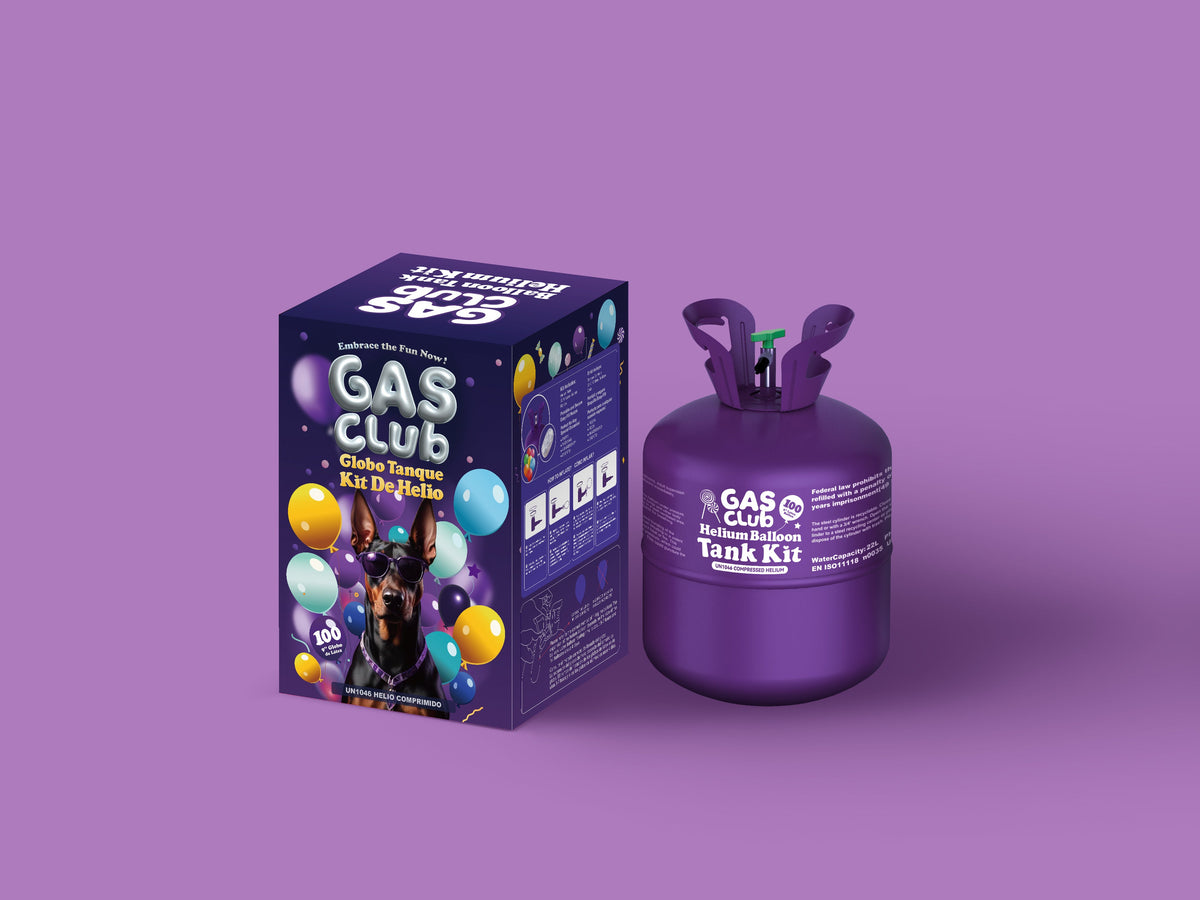
Helium Tank Buying Guide: How to Choose the Right Tank for Balloons
Buying a helium tank should be simple, but product listings often emphasize one number—such as tank size or maximum balloon count—without explaining what that number means for a real event. The right choice depends on the balloons you plan to use, how many displays you are creating, when you will inflate them, and how much extra capacity you need for mistakes.
- Balloon diameter matters more than the number printed on the package.
- Large latex and foil balloons use significantly more helium than standard balloons.
- Advertised capacity should be treated as an estimate, not a guarantee.
- Add extra capacity for overinflation, damaged balloons, testing, and last-minute changes.
- Check gas composition, valve design, shipping rules, storage requirements, and disposal instructions before ordering.
What Is a Disposable Helium Tank?
A disposable helium tank is a prefilled, portable cylinder designed for inflating balloons at home or at an event venue. Unlike a rental cylinder, it does not need to be returned to a gas supplier after use. Once completely empty, it must be handled according to the manufacturer’s instructions and local recycling rules.
Disposable tanks are popular because they are convenient for birthdays, weddings, graduations, baby showers, school events, store openings, and other celebrations where renting a large industrial cylinder would be unnecessary.
Disposable helium tanks are best suited to:
- One-time or occasional events
- Home use and small venues
- Customers who do not want to collect and return a rental cylinder
- Balloon quantities that can be planned in advance
- Events where portability and easy storage matter
They are less suitable for professional balloon decorators who inflate balloons every week, businesses that need a continuous gas supply, or events requiring hundreds of large balloons. Frequent users may find a refillable cylinder more economical over time.
How to Choose the Right Helium Tank
Start with the balloons, not the tank. Write down the quantity, size, and material of every balloon you plan to inflate. Then choose a tank with enough capacity for the entire design plus a safety margin.
Use this five-step process
- Count each balloon. Include balloons used in bouquets, centerpieces, arches, photo areas, entrances, and backups.
- Record the inflated diameter. A 12-inch balloon requires more gas than a 9-inch balloon, even when both are described as “standard party balloons.”
- Separate latex and foil balloons. They behave differently and may require different inflation methods.
- Check the manufacturer’s capacity chart. Use the chart for your exact balloon size whenever possible.
- Add a 10–15% buffer. This protects you against damaged balloons, inconsistent sizes, overinflation, testing, and small gas losses during use.
Helium Tank Size Comparison
GasClub tanks may be available in multiple sizes. The table below gives a practical way to think about smaller, medium, and larger disposable tanks. Replace the approximate balloon counts with the confirmed capacity figures shown on your final product packaging before publishing.
| Tank size | Approximate use | Best for | Main advantage | Watch out for |
|---|---|---|---|---|
| 7L | Small balloon setup | Table bouquets, simple birthdays, a few foil balloons | Lightweight and easy to carry | Limited buffer if plans change |
| 13L | Medium celebration | Birthdays, baby showers, graduations, small venue decorations | Balanced capacity and portability | May be too small for large balloons or several display areas |
| 22L | Larger balloon setup | Weddings, large parties, business events, multiple arrangements | More capacity and a safer planning margin | Heavier and requires more storage space |
For many customers, the decision comes down to a medium tank versus a large tank. Choose the smaller option when the balloon list is fixed and modest. Choose the larger option when you are using mixed balloon sizes, decorating several areas, preparing a balloon wall or arch, or cannot risk running out of helium during setup.
How Balloon Size Changes Helium Tank Capacity
Balloon volume increases rapidly as diameter increases. This means a small increase in balloon size can create a much larger increase in helium use. A tank that fills many small balloons may fill only a limited number of oversized balloons.
| Balloon type | Typical helium use | Planning guidance |
|---|---|---|
| 9-inch latex | Low to moderate | Useful for compact bouquets and smaller ceiling balloons |
| 11–12-inch latex | Moderate | A common party size and a better basis for realistic capacity planning |
| 16–18-inch latex | High | Use a dedicated capacity estimate; do not rely on 9-inch balloon claims |
| 18-inch foil | Moderate | Common for birthdays, numbers, characters, and themed bouquets |
| Large number or letter foil balloons | High and variable | Check the exact dimensions because styles differ greatly |
| Jumbo balloons | Very high | Even one balloon can use a significant share of a small tank |
Do not mix “balloon count” and “balloon design”
A setup with 40 standard latex balloons may use less helium than a design with 15 large balloons, two number balloons, and several oversized foil shapes. Always calculate the full design instead of counting packages.
Which Helium Tank Is Right for Your Event?
Small birthday party
A smaller tank may be sufficient when you only need a few bouquets, a number balloon, and a small group of ceiling balloons. Confirm the balloon sizes first and keep several backup balloons available.
Baby shower or graduation
A medium tank is often a practical starting point because these events commonly include a welcome display, photo area, table balloons, and one or two foil designs. Choose a larger tank when the venue has several rooms or you plan to create an arch.
Wedding or large celebration
A larger tank is usually the safer choice. Wedding setups often change during installation, and large venues make it easier to underestimate the number of balloons required. Extra capacity is especially valuable when decorations must remain consistent across an entrance, ceremony area, reception room, and photo backdrop.
Balloon arch or garland
Many balloon arches and garlands are air-filled rather than helium-filled. Use helium only for balloons that must float independently. This can greatly reduce the tank capacity required and make the display more stable.
Business event or store opening
Choose capacity based on operating hours and the number of display points. A larger tank may be worthwhile when you need balloons at the entrance, checkout area, exterior signage, and promotional tables.
Latex vs Foil Balloons: What Buyers Should Know
Latex balloons
Latex is naturally porous, so helium gradually escapes through the material. Float time depends on balloon quality, size, inflation level, room temperature, and whether a balloon treatment is used. Untreated latex balloons are usually best inflated closer to the event.
Foil balloons
Foil balloons generally retain helium longer because the material is less porous. They are useful for numbers, letters, characters, branded shapes, and long-lasting bouquets. However, their valves and seams can still leak, and large foil shapes may require substantial helium.
Does Helium Purity Matter?
Helium tank products do not always contain the same gas composition. Purity can affect lift and performance, so check the product label and official specifications rather than relying only on the product name.
GasClub helium tanks are positioned around high-purity helium for balloon inflation. When publishing this guide, link this section to your dedicated helium purity guide so customers can review the specifications and understand how gas composition may affect their balloons.
Purity is only one factor. Float time can also change because of balloon quality, temperature, altitude, sealing, inflation technique, and how long the balloons are stored before the event.
Disposable vs Refillable Helium Tanks
| Factor | Disposable tank | Refillable or rental cylinder |
|---|---|---|
| Best user | Home user or occasional event host | Professional decorator or frequent user |
| Convenience | Delivered or purchased ready to use | Usually requires collection, deposit, or return |
| Capacity | Suitable for small to medium events | Better for very large quantities |
| Storage | Compact, but still pressurized | Larger and heavier |
| Long-term cost | Convenient for occasional use | May be more economical for frequent use |
| After use | Follow local disposal or recycling rules | Return or refill through the supplier |
A disposable tank is usually the better fit when convenience matters more than long-term refill cost. A refillable tank makes more sense when helium is a recurring business expense and you already have access to a reliable gas supplier.
Common Helium Tank Buying Mistakes
1. Choosing by price alone
The lowest-priced tank may not provide enough capacity for the planned design. Running out during setup can cost more than buying the correct size initially.
2. Ignoring balloon diameter
Capacity estimates based on small balloons should not be applied to large latex balloons, number balloons, or jumbo foil shapes.
3. Buying exactly the calculated amount
Real events involve mistakes. Balloons can tear, burst, leak, or be overfilled. A 10–15% buffer is a sensible minimum.
4. Inflating latex balloons too early
Untreated latex balloons may lose lift before the event begins. Plan the inflation schedule as carefully as the tank size.
5. Assuming every tank includes the same accessories
Check whether the package includes a nozzle, valve attachment, balloons, ribbon, or other accessories. Product bundles vary.
6. Forgetting delivery time
Order early enough to inspect the package and contact support if the tank or nozzle arrives damaged. Avoid scheduling delivery on the event day.
7. Not checking storage and disposal instructions
Helium tanks are pressurized containers. Make sure you have a suitable place to store the tank before the event and understand what to do after it is empty.
Helium Tank Buying Checklist
- Exact number of balloons
- Inflated diameter of each balloon
- Latex, foil, or mixed balloon types
- Number of separate display areas
- Event date and inflation time
- 10–15% extra capacity
- Helium composition or purity information
- Nozzle and valve type
- Included accessories
- Delivery date and shipping restrictions
- Storage instructions
- Local disposal or recycling requirements
Choose a GasClub Helium Tank
Compare available GasClub tank sizes and choose the option that matches your balloon quantity, event type, and required safety buffer.
Shop Helium Tanks Calculate Balloon CapacityFrequently Asked Questions
What size helium tank should I buy?
Choose a tank based on the exact size and quantity of your balloons. A small tank may suit a simple home setup, a medium tank is useful for many birthdays and showers, and a larger tank is safer for weddings, graduations, multiple display areas, or oversized balloons.
How many balloons can a helium tank fill?
Capacity depends on tank volume, balloon diameter, material, and inflation technique. Use the manufacturer’s chart for your exact balloon size and add a 10–15% buffer rather than relying only on the largest advertised number.
Is a disposable helium tank worth buying?
It is often worthwhile for one-time celebrations because it is portable and does not require a rental return. Professional or frequent users may save money over time with a refillable cylinder.
Should I buy a 13L or 22L helium tank?
Choose 13L for a moderate, clearly planned setup where portability matters. Choose 22L for larger events, mixed balloon sizes, several decoration areas, or situations where running out would be difficult to fix.
Can I inflate balloons the night before?
Foil balloons can often be prepared earlier than untreated latex balloons. Standard latex balloons may lose lift overnight, so inflate them closer to the event or use a suitable balloon treatment when appropriate.
Does helium purity affect balloon performance?
It can affect lift and performance, but it is not the only factor. Check the tank label, then also consider balloon quality, temperature, altitude, sealing, and inflation level.
Can disposable helium tanks be refilled?
No. Disposable tanks are not designed for refilling. Never modify or attempt to refill a pressurized cylinder.
How should I store a helium tank?
Keep it upright in a cool, dry, ventilated location away from heat, direct sunlight, flames, children, and physical damage. Follow all instructions printed on the cylinder.
Can I recycle an empty helium tank?
Recycling rules vary by location. Confirm that the tank is completely empty and follow the manufacturer’s instructions and your local recycling facility’s requirements. GasClub does not collect used tanks unless a specific return program is stated on the product page.
How early should I order a helium tank?
Order early enough to allow for delivery, inspection, and support before the event. Do not rely on event-day delivery for an essential decoration item.
''' path = Path("/mnt/data/gasclub-helium-tank-buying-guide.html") path.write_text(html, encoding="utf-8") print(path)